SELL THE SYSTEM
Hardware revenue
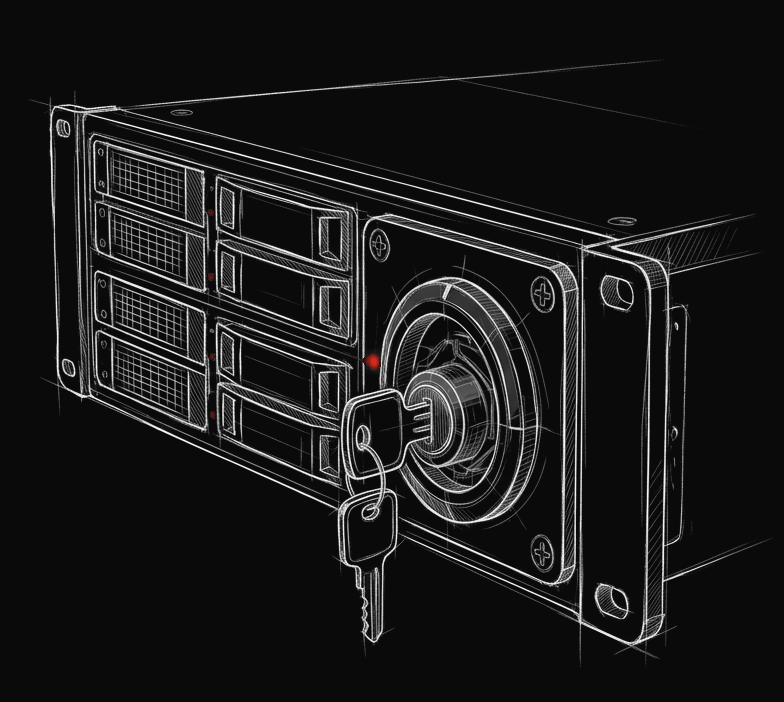
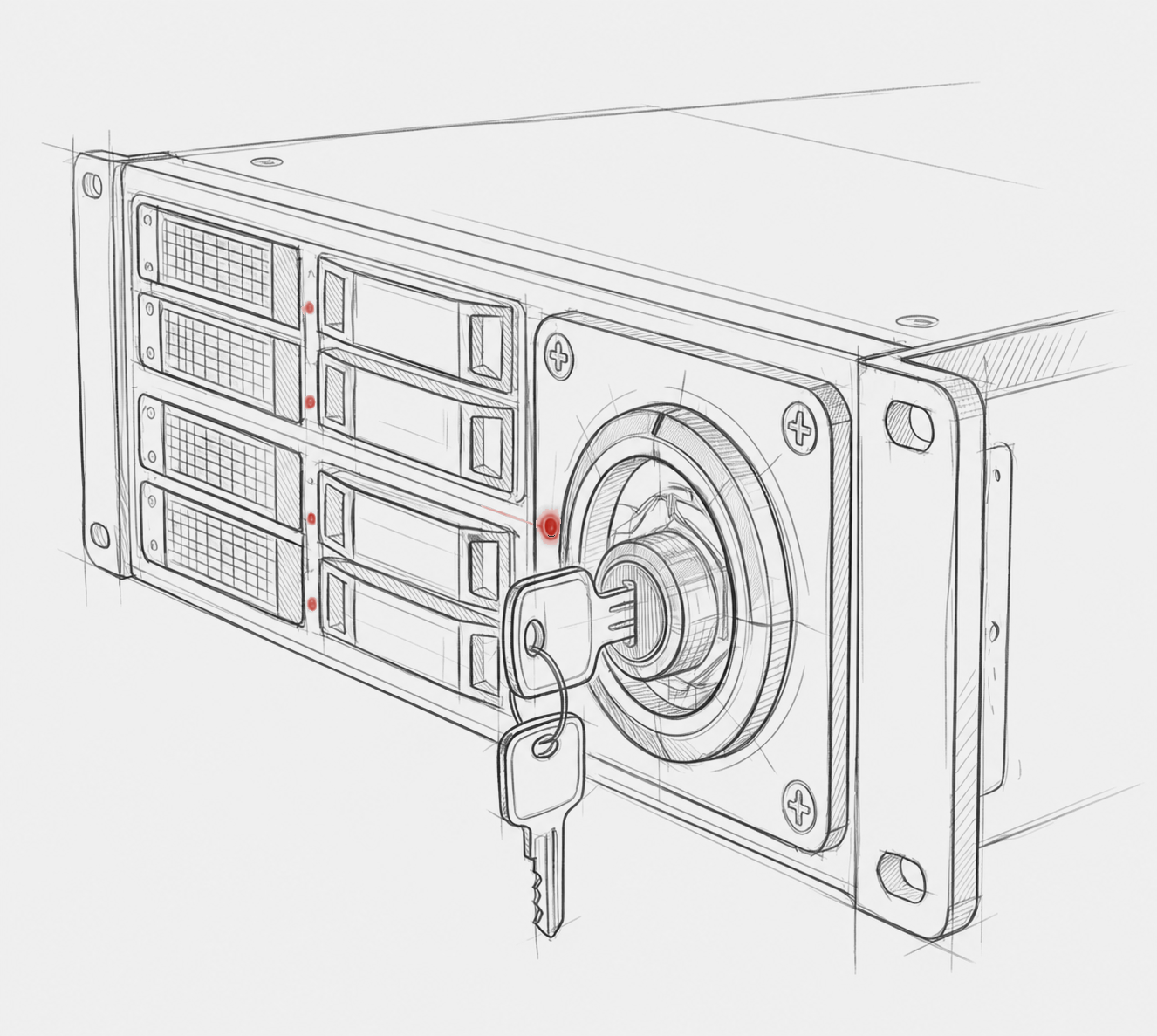
Choose an edge, departmental or rack system after the workload is qualified. We help size and configure it; you present the complete system to your customer.
This site runs without analytics or fingerprinting. One choice determines whether web fonts are pulled from Google Fonts — an external request that carries your IP to a third party.
NO TRACKING · NO ANALYTICS · ONE CONSENT-RECORD COOKIE (12 MONTHS) · NOTHING ELSE
FOUNDING MSP & VAR PARTNER PROGRAM NOW ENROLLING
You identify the customer’s workflow and help define what should run locally, which outside models are permitted and how the boundary will be verified. SovereigntyBox provides the configured system, Halo AI foundation, governed routing and assurance framework. You deliver the local project and keep the customer and managed-services relationship.
THE PARTNER OFFER
Lead with a business problem your customer already recognizes. Add the system, integration and ongoing operation without giving up the account to another platform vendor.
SELL THE SYSTEM
Choose an edge, departmental or rack system after the workload is qualified. We help size and configure it; you present the complete system to your customer.
PUT IT TO WORK
Deliver workflow discovery, integration, data preparation, security controls, deployment and user rollout as your professional-services engagement.
STAY WITH THE CUSTOMER
Provide monitoring, updates, backups, Halo AI and model management, workflow improvement and support under your own managed-services agreement.
WHAT WE PROVIDE
WHAT STAYS WITH YOU
THE DELIVERY RELATIONSHIP
SovereigntyBox does not replace your current partners. We add configurable AI systems, the Halo AI foundation and specialist support to complement the suppliers and services you already use.
FIG. D6 — SUPPLY → INTEGRATE → DEPLOY → OPERATE → EXPAND
FOUNDING PARTNER COHORT
You need customers with repeatable work worth improving, experience delivering business infrastructure, and the ability to support what you install. Sovereignty requirements are a strong entry point, not the only reason a customer should buy.
Existing business or public-sector customers with operational problems you understand
An infrastructure, security, cloud or managed-services practice
Capacity to install, integrate and support customer systems
A real workflow, customer opportunity or market you want to develop with us
HOW IT STARTS
Where you operate, who you serve and the kind of opportunity you see.
Bring a real customer opportunity. We help define the workflow, value, knowledge boundary, system and support model.
We support the Halo AI demonstration, configuration and technical sale; you lead the account and delivery.
JOIN THE PROGRAM
We are recruiting the first SovereigntyBox MSP and VAR partners. Tell us about your practice, the customers you serve and one workflow or market you believe is worth developing.
Prefer email? hello@sovereigntybox.com